Pentafox Digitizes Workforce Planning with the WFM Platform for Aviation Operations
See how Pentafox leverages AI/ML to intelligently plan, allocate, and monitor airline manpower through automated workforce scheduling and real-time visibility—improving staffing visibility, operational efficiency, and regulatory compliance.
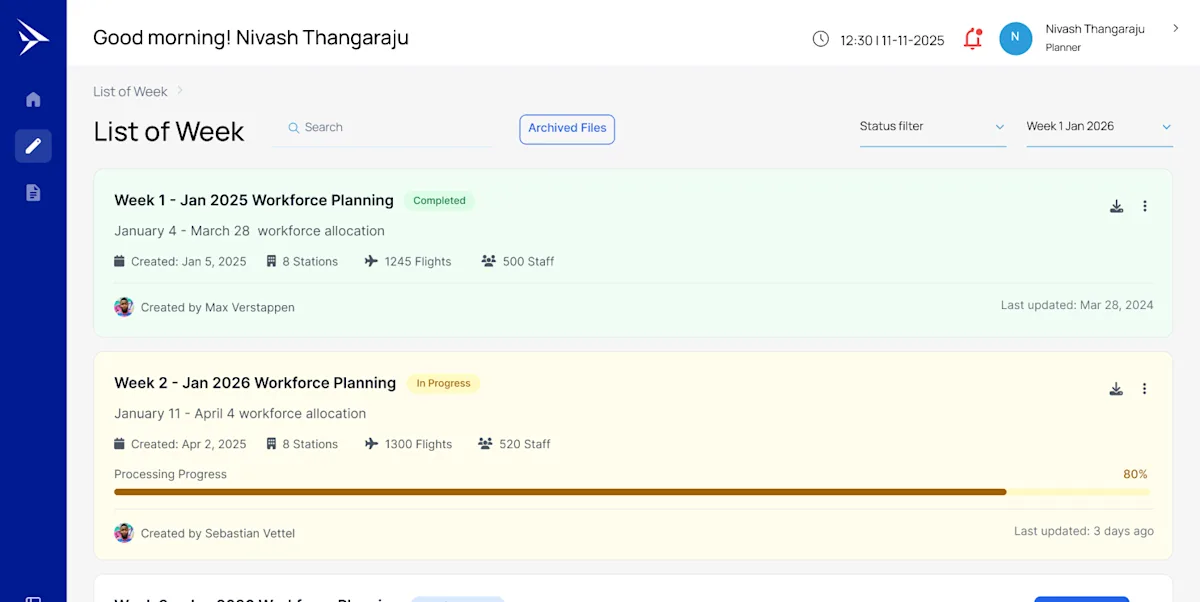
Tech Stack
Background & Story
- In aviation operations, effective workforce planning is critical to ensure smooth flight handling, ground operations, and on-time performance. Traditionally, manpower planning was managed through spreadsheets, manual rosters, and fragmented systems, making it difficult to align staffing with dynamic flight schedules and operational requirements. This often resulted in manpower shortages, overstaffing, last-minute changes, and operational inefficiencies.
- Workforce Management (WFM) was developed as a centralized digital platform to plan, allocate, and monitor manpower based on flight schedules, operational rules, and available workforce. By leveraging AI/ML-driven planning and automation, the platform analyzes operational demand, workforce availability, and historical patterns to enable smarter manpower allocation.
- By replacing manual planning with intelligent automation and real-time workforce visibility, WFM ensures the right staff are assigned to the right tasks at the right time—improving operational efficiency, compliance, and reliability.
Mission
- Ensure efficient manpower planning aligned with flight and operational schedules.
- Provide real-time visibility into workforce availability and staffing requirements.
- Improve operational reliability through structured and automated rostering.
- Reduce manual effort and enhance overall workforce coordination.
Goals
- To optimize workforce planning and operations through AI/ML-enabled automated workforce scheduling and real-time visibility.
- Ensure sufficient staffing coverage for ground and operational activities using predictive planning and smart manpower allocation.
- Identify manpower shortages or over-allocation early through advanced analytics and operational insights.
- Improve workforce utilization and operational efficiency through automated planning and optimized task assignments.
- Support compliance with duty rules, safety standards, and operational policies using AI/ML-driven monitoring and centralized workforce control.
Challenges
Workforce planning struggles with manual processes, poor visibility, and schedule misalignment, causing operational disruptions.
- Manual workforce planning using spreadsheets and disconnected tools
- Difficulty aligning manpower with constantly changing flight schedules
- Limited visibility into real-time staffing availability and shortages
- Frequent last-minute roster changes causing operational disruption
- Lack of centralized monitoring and workforce performance insights
Solution & Strategy
WFM introduced a centralized, AI-enabled automated workforce planning platform designed for aviation operations.
- Automated roster and shift generation based on flight schedules, business rules, and AI/ML-driven workforce optimization
- Skill-based task assignment ensuring qualified staff are assigned appropriately based on availability and operational requirements
- Real-time visibility into manpower availability, shortages, and workload distribution through AI/ML-powered analytics and insights
- Centralized dashboards for workforce planning, monitoring, and management
- Integration with operational systems to align workforce planning with execution
- Planned vs actual analysis to continuously optimize manpower allocation
Collaboration
WFM was developed in close collaboration with airline operations teams, ground handling staff, and management. Real operational scenarios helped refine workforce scheduling workflows and AI/ML-driven planning capabilities. Continuous feedback ensured the platform aligned with real-world operational and workforce management needs.
Impact & Results
Fully digitized workforce planning and rostering Improved manpower utilization and operational efficiency Reduced last-minute staffing issues and operational delays Real-time visibility into staffing levels and workforce readiness Improved compliance with operational and duty regulations Enhanced coordination across operational teams
- Fully digitized workforce planning and scheduling with AI/ML-assisted automation
- Improved manpower utilization and operational efficiency through intelligent workforce optimization
- Reduced last-minute staffing issues and operational delays through predictive planning
- Real-time visibility into staffing levels and workforce readiness across operations
- Improved compliance with operational policies, duty regulations, and safety standards
- Enhanced coordination and decision-making across operational and workforce management teams
Conclusion
Workforce Management (WFM) transformed manual manpower planning into a centralized, automated, and intelligent platform. By leveraging AI/ML and aligning workforce allocation with flight schedules and operational demand, the system improved efficiency, reduced operational risk, and ensured reliable airline operations. WFM demonstrates how intelligent workforce planning enhances productivity, strengthens compliance, and improves overall operational performance across aviation environments.
Other Case Studies
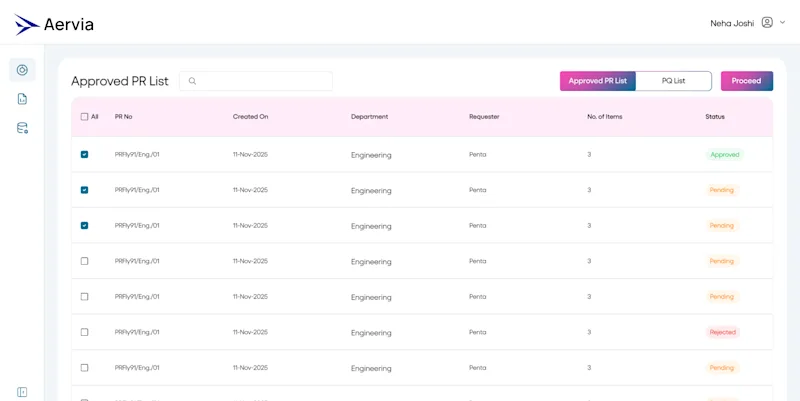
Pentafox Digitizes End-to-End Procurement Workflows with the Procure360 Platform
See how Pentafox replaced fragmented email and spreadsheet procurement with a centralized platform that simplifies purchase requests, approvals, and process control.
Explore More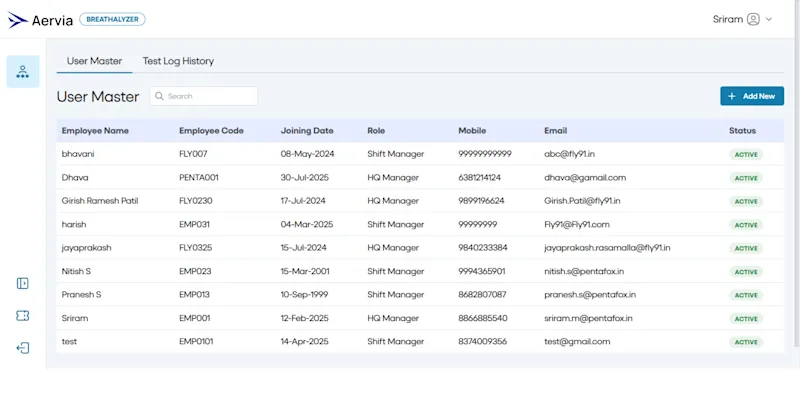
Pentafox Enhances Passenger Communication by Integrating Booking Contact Data with DCS Through the Guest Bridge Platform
See how Pentafox streamlined post-booking meal selection to improve convenience and ancillary revenue.
Explore More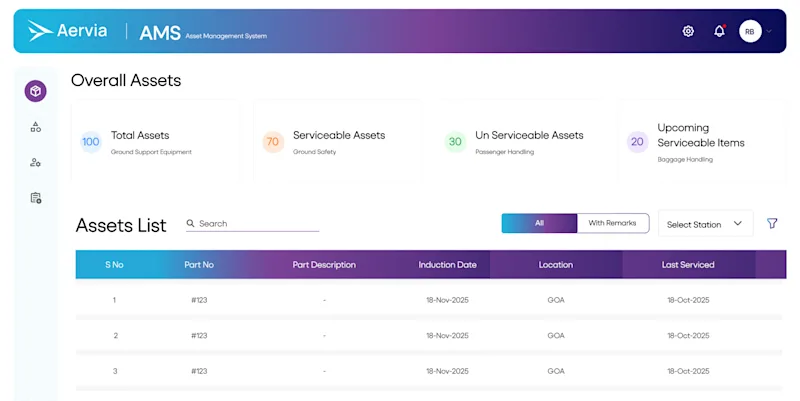
Pentafox Digitizes Ground Operations Asset Management with the AMS Platform for Airline Operations
See how Pentafox digitized procurement processes to improve control and transparency.
Explore MoreWant results like this?
Tell us your challenge - we'll map the right product or service to it.